Our Programs
Our programs: care, training and community.
Mental health
Psychological First Aid (PFA)
Taught as a certificate course
Calm, practical help in the first hours of distress: listening, comfort, safety and referral to the right service.
What we do
- Listening and comfort
- Recognising signs of distress
- Immediate support
- Referral to health services
Who benefits
People in acute distress after violence, loss, displacement or a crisis in the camp.
Expected outcomes
- People feel safer and calmer after a crisis
- Early referral to health and protection services
- More trained first responders in every zone
Partnership opportunity: Fund PFA training for community responders, or train our trainers.

Mental health
Mental Health and Psychosocial Support (MHPSS)
Individual, group and family counselling for stress, grief, trauma and other emotional challenges.
What we do
- Individual counselling
- Group support
- Family support
- Stress and trauma care
Who benefits
Refugees and host community members living with stress, grief, trauma, anxiety or substance use.
Expected outcomes
- Less isolation and emotional distress
- Families better able to support each other
- Fewer people left without help
Partnership opportunity: Support counselling sessions, group spaces or supervision for counsellors.
Care
Reflexology
Taught with phytotherapy
Hands-on care on the feet and hands that helps people relax and feel better. It is given alongside medical care, never in place of it.
What we do
- Reflexology sessions
- Relaxation for stress and tension
- Medicinal plants (phytotherapy)
- Training of practitioners
Who benefits
People living with stress, tension and psychosomatic pain, alongside their medical care.
Expected outcomes
- Relaxation and relief from tension
- A safe, respectful complementary service
- Trained local practitioners
Partnership opportunity: Provide materials for sessions and practitioner training.

Care
Hospice and Geriatric Care (Little Elders)
Taught as palliative care
Dignified care and company for older people and people with serious illness, at home or in care settings.
What we do
- Home visits
- Comfort care
- Psychosocial support
- Respect for human dignity
Who benefits
Older people facing isolation or neglect, and people living with serious illness, with their families.
Expected outcomes
- Older people visited and cared for with dignity
- Families supported in caring at home
- Trained palliative carers in the camp
Partnership opportunity: Sponsor home visits or palliative care training.
Care
Nursery and Early Childhood Care
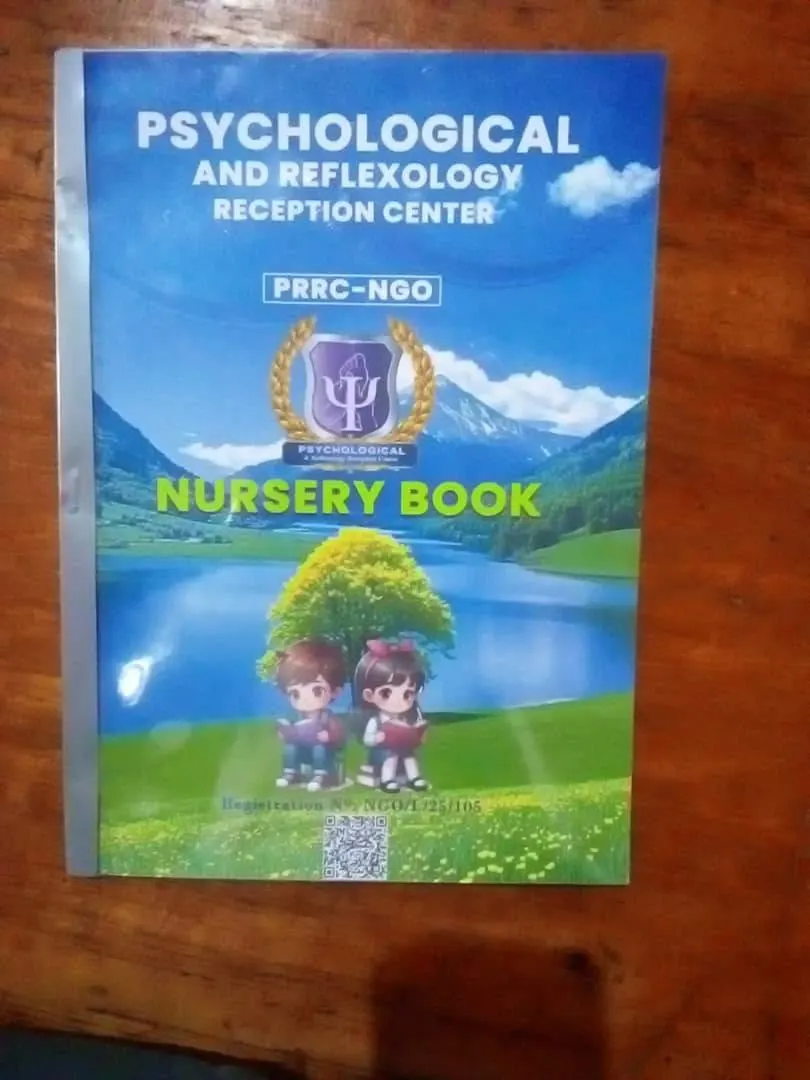
PRRC nursery book published
Safe care and early learning for young children, and training for the people who look after them.
What we do
- Child growth and development
- Safe, age-appropriate activities
- Training of caregivers
Who benefits
Young children and the parents and caregivers who look after them.
Expected outcomes
- Safe, stimulating care for young children
- Caregivers trained in child development
- Parents free to work or study
Partnership opportunity: Fund learning materials or caregiver training.

Mental health
Clinical Psychology and Mental Health
Mental health education and psychological care, led by PRRC's Chairperson, a clinical psychologist: talks, workshops and community dialogues that fight stigma and help people recognise when someone needs support.
What we do
- Awareness campaigns
- Workshops
- Community dialogues
Who benefits
Community members, students and leaders who want to understand mental health, and people who need psychological care.
Expected outcomes
- Less stigma around mental health
- Earlier recognition of mental illness
- Stronger psychological care skills in the community
Partnership opportunity: Co-host awareness campaigns, workshops or research on community mental health.
Community
Community Outreach and Home Visits
We go to people who cannot come to us: isolated elders, families in crisis and people living with illness.
What we do
- Home visits
- Follow-up
- Referral
Who benefits
Vulnerable people who cannot come to PRRC: isolated elders, families in crisis, people living with illness or disability.
Expected outcomes
- People reached where they live
- Needs identified and referred early
- Follow-up after a crisis
Partnership opportunity: Support outreach teams, transport or follow-up visits.

Community
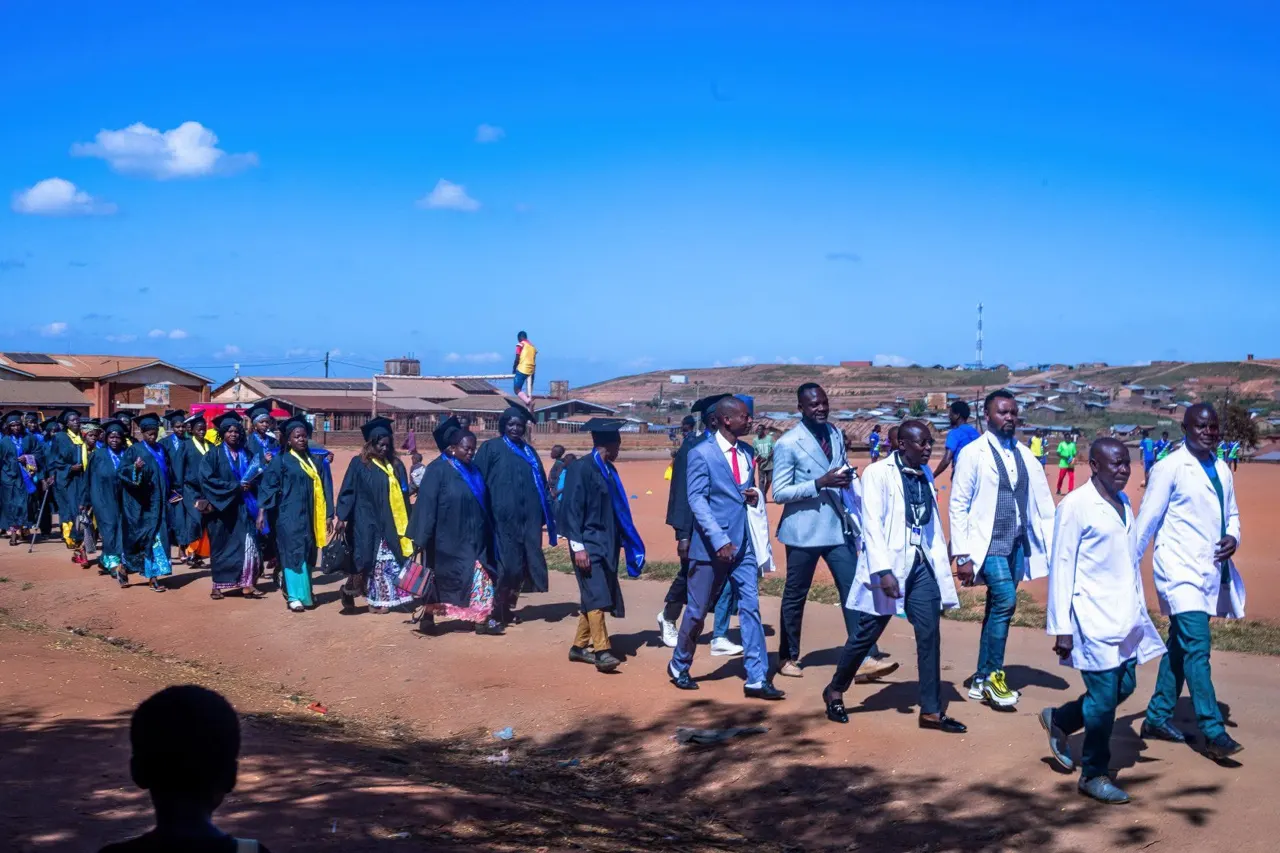
Training and Skills Development
4 certificate courses
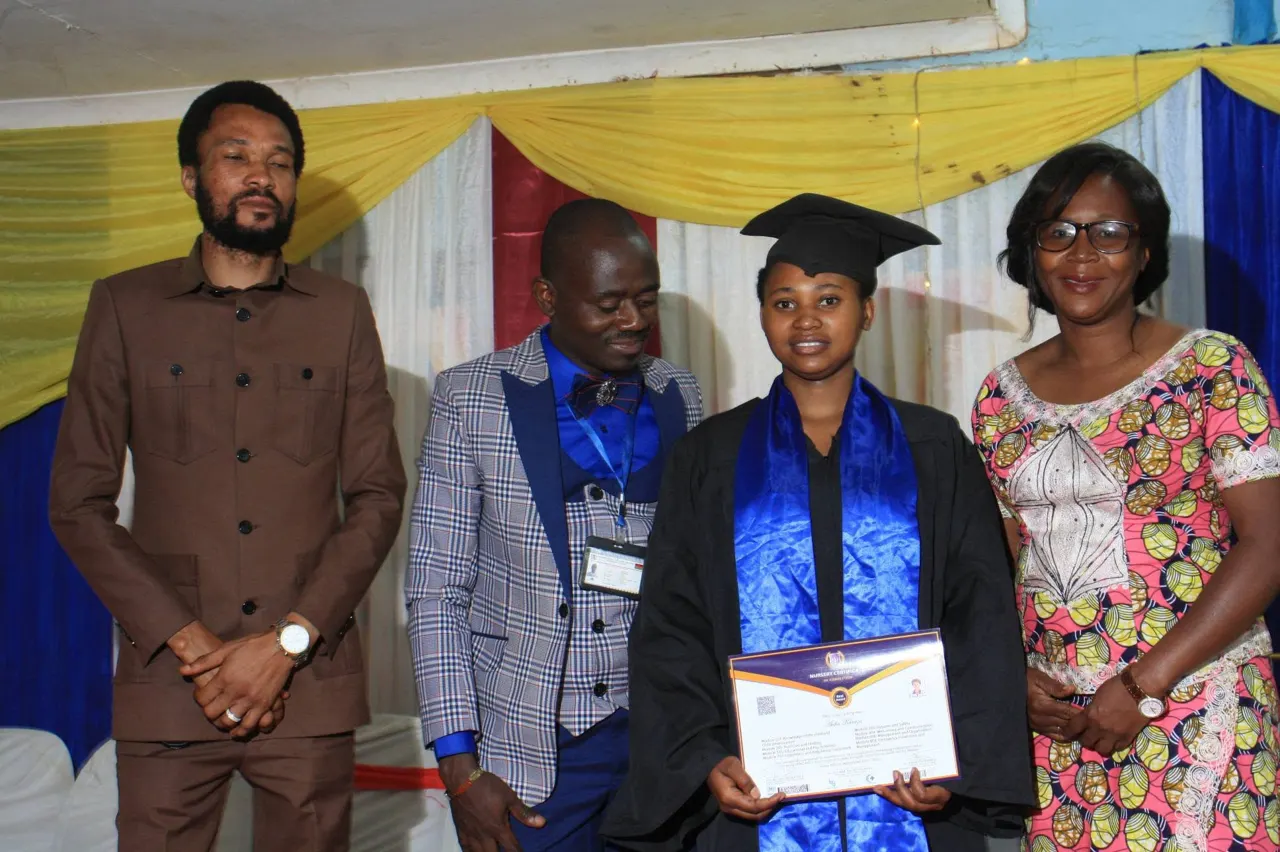
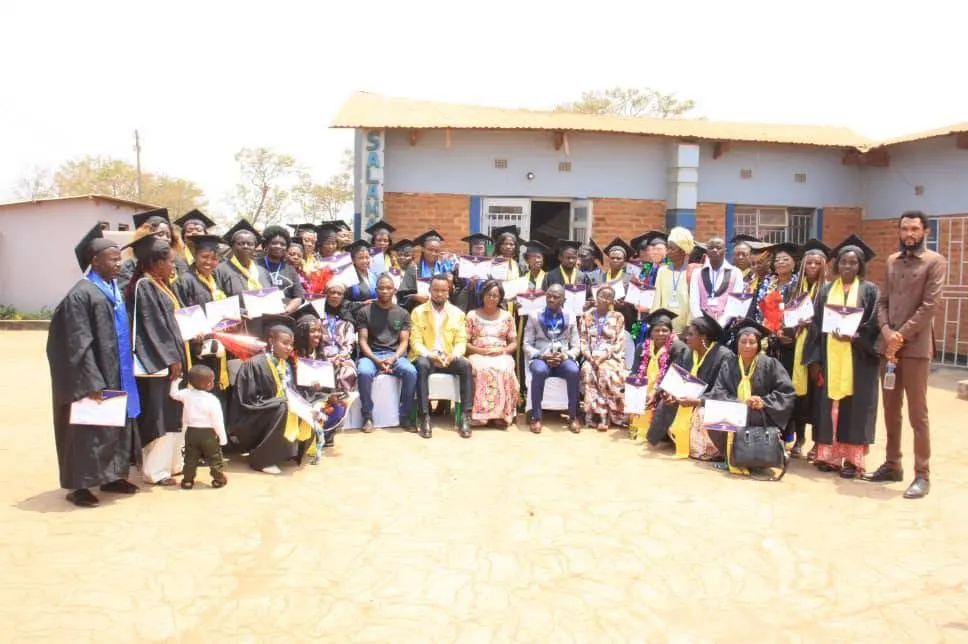
Certificate courses every semester and practical livelihood skills such as soap making.
What we do
- Certificate courses
- Internships
- Soap making and other skills
Who benefits
Refugees and host community members, especially women and young people, who want to care for others and earn.
Expected outcomes
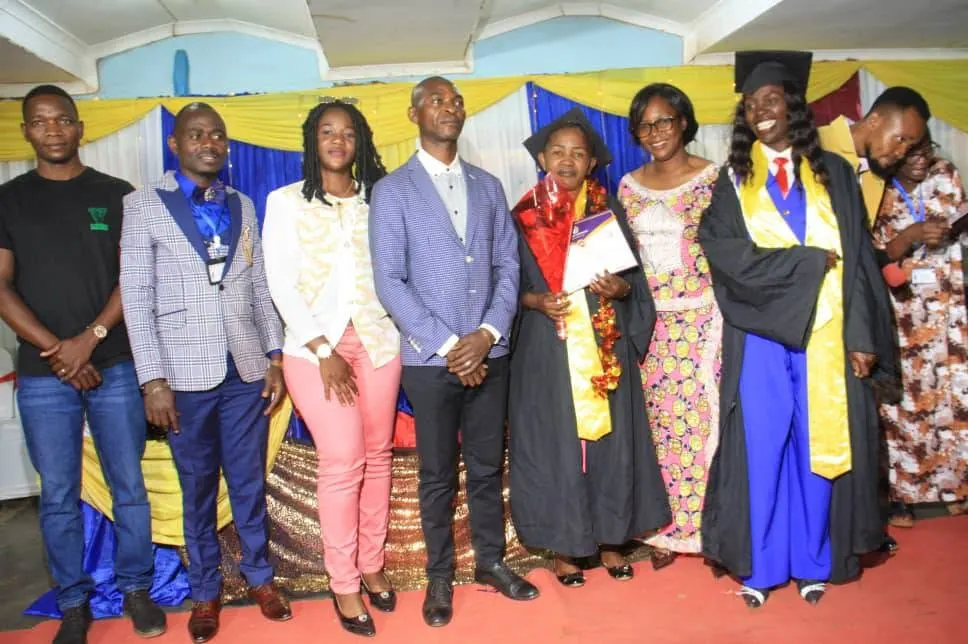
- Graduates with recognised PRRC certificates
- New carers serving their community
- Livelihood skills such as soap making
Partnership opportunity: Sponsor students' fees, host interns or offer practice placements.
Community
Soap Making and Entrepreneurship
Ongoing programme
An ongoing vocational programme in Dzaleka: participants learn to make bar and liquid soap, package and brand it, keep quality and hygiene, and run a small business, so they can earn an income and depend less on aid.
Vision: a skilled, self-reliant and economically empowered community through practical vocational training, entrepreneurship and sustainable soap production.
What we do
- Bar soap production: mixing, moulding, cutting, curing and packaging
- Liquid soap production: ingredients, equipment and mixing
- Raw materials, tools, measuring and safe handling
- Packaging, labelling and branding
- Business planning, budgeting, pricing, marketing and income management
- Quality control, hygiene, safe production and storage
Who benefits
Refugees in Dzaleka, host community members, unemployed and underemployed people, women interested in business, young people and vulnerable households. Men and women are equally welcome.
Expected outcomes
- Practical skills people can sell
- Small soap businesses and self-employment
- More income for women and young people
- Better knowledge of hygiene products
- Less poverty and more self-reliance
Partnership opportunity: Fund materials and starter kits, buy PRRC-trained producers' soap, or train participants in business and marketing.
Community
Volunteer and Community Support
Neighbours trained to help neighbours, and community initiatives that answer local needs.
What we do
- Volunteer training
- Community initiatives
Who benefits
Neighbours who want to help, and the community initiatives that answer local needs.
Expected outcomes
- Trained volunteers in the camp
- Stronger community support networks
Partnership opportunity: Train and equip volunteers with us.